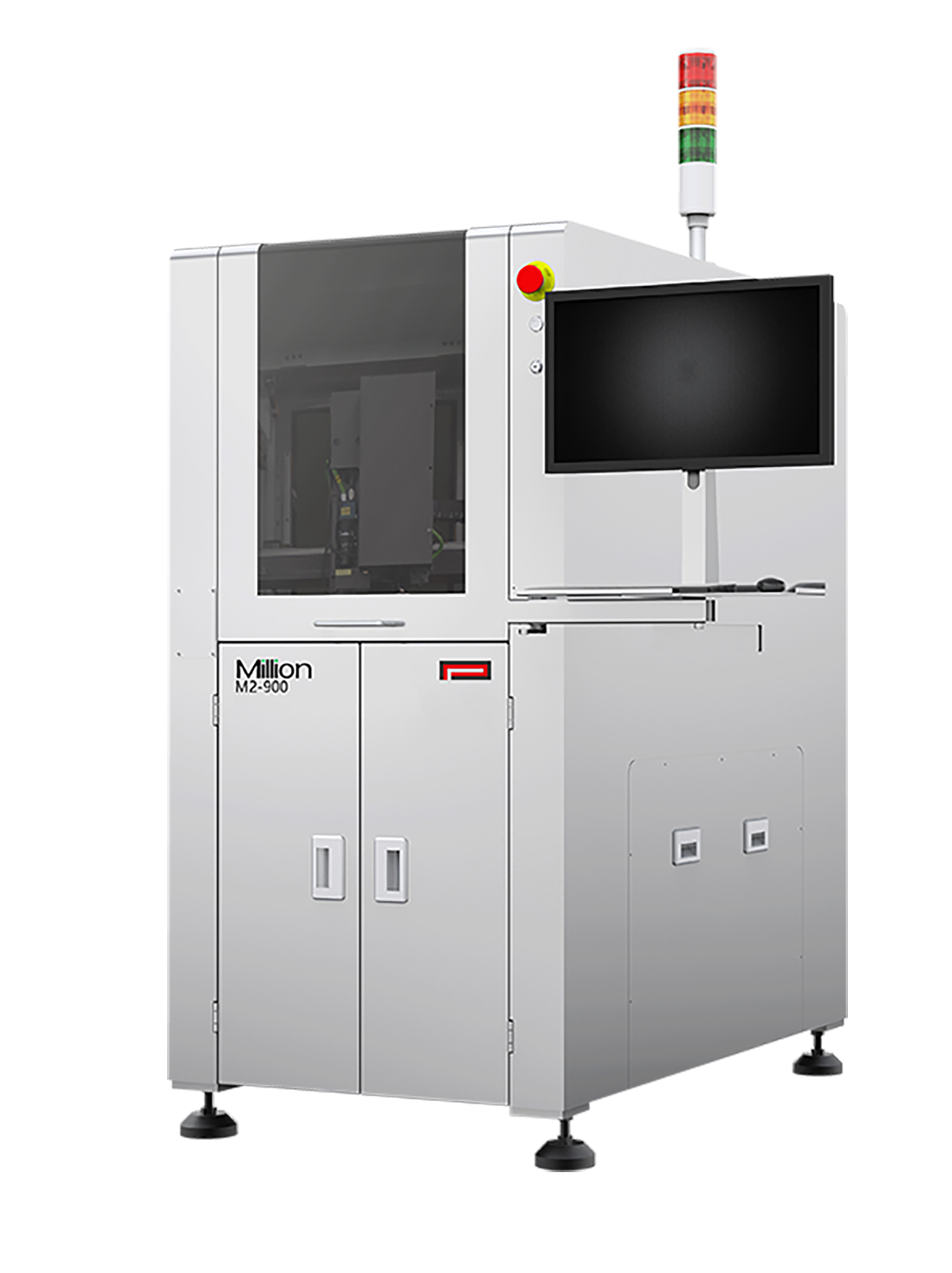
A Polish Customer Adopts Youngpool M-900 Laser Marking System to Strengthen Product Identification and Traceability
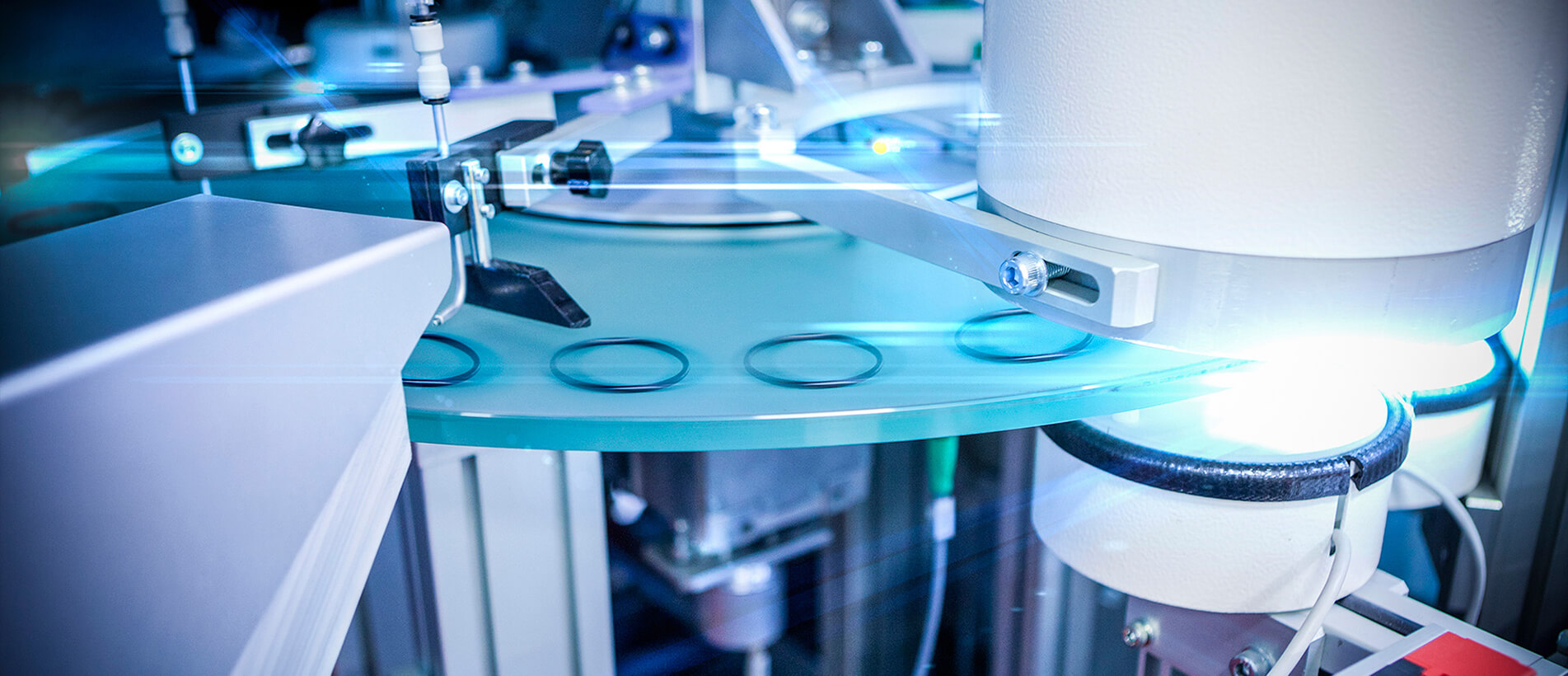
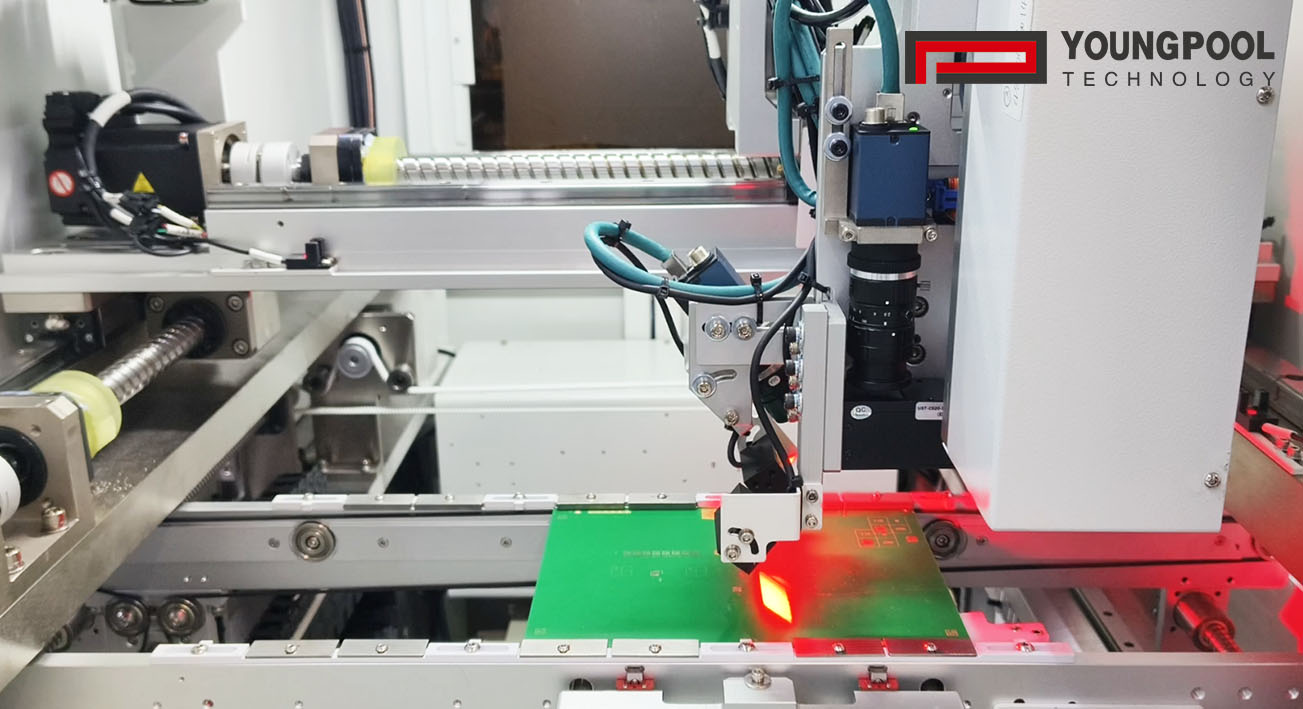
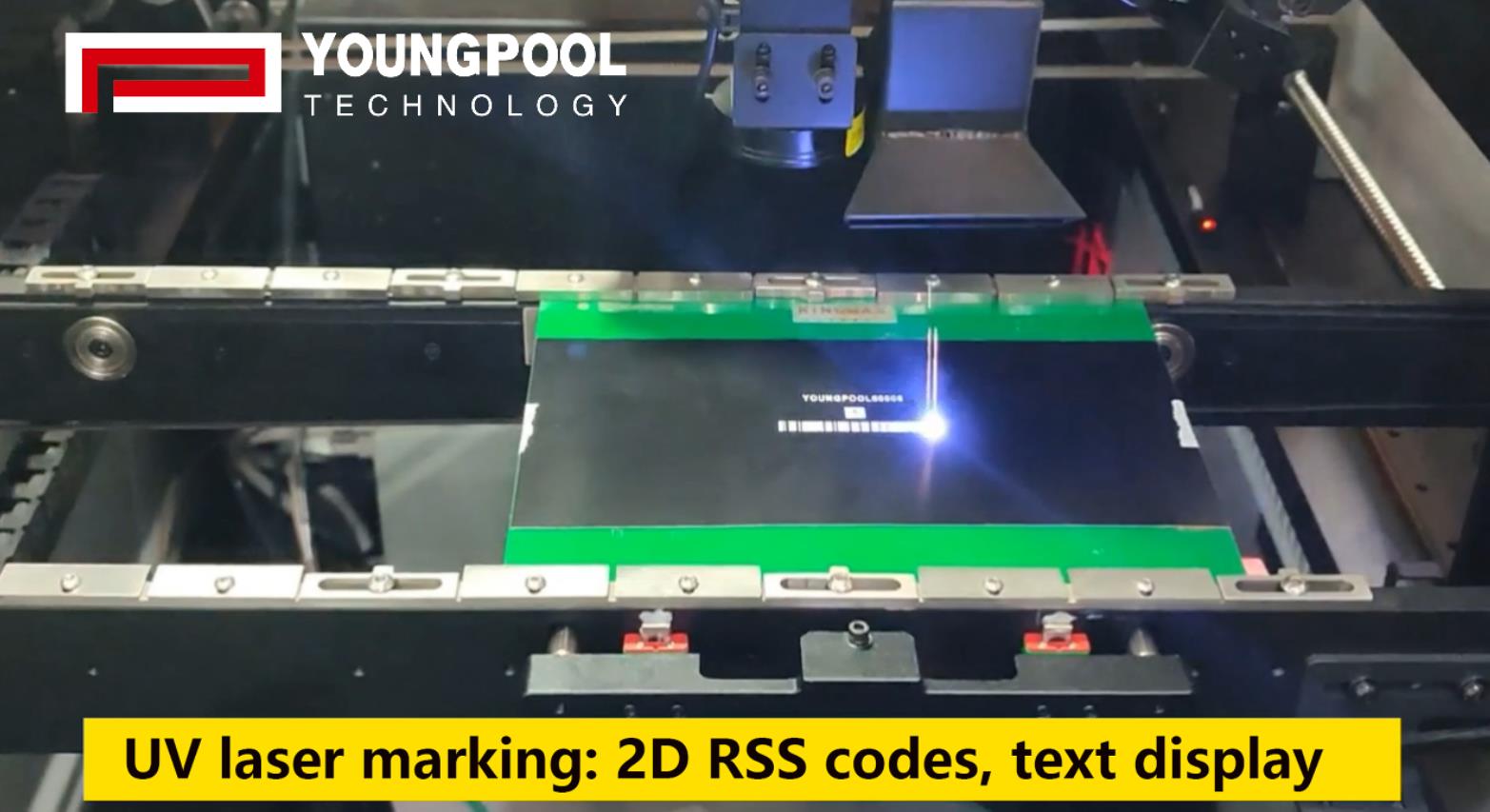
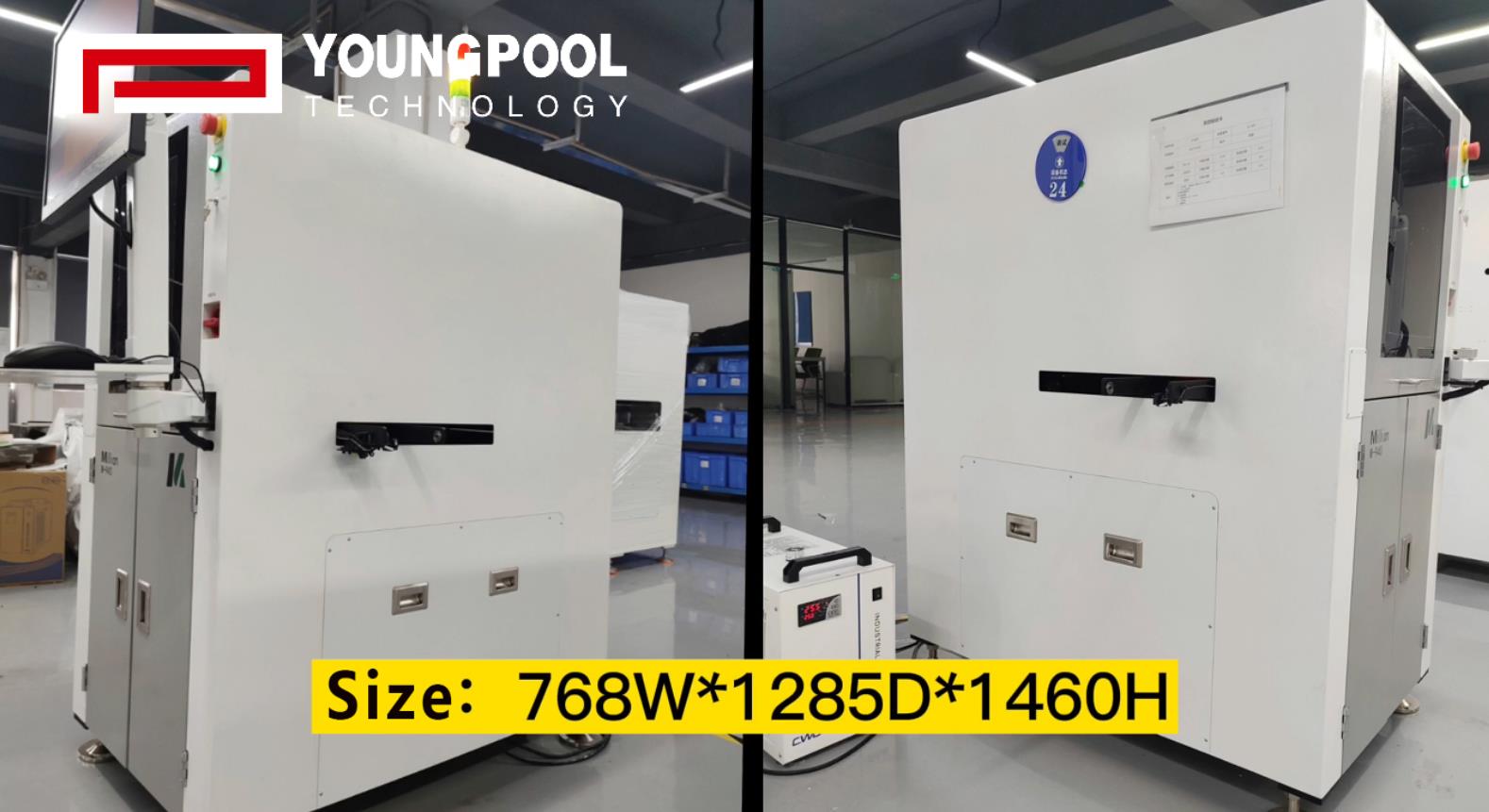
In electronics manufacturing, a product marking is more than a printed symbol — it is where the traceability chain begins. A customer in Poland has recently adopted the Youngpool M-900 Laser Marking System for automated laser marking and product identification, as part of its ongoing investment in production technology. 1. Why laser marking Laser marking is the process of engraving permanent identification and traceability information directly onto the product by laser. Depending on production requirements, it can print barcodes, 2D codes, serial numbers, product identifiers and other traceability data. Compared with labelling or inkjet printing, a laser mark acts on the material surface itself: it does not wear off or peel, which makes it the better choice for products that must remain traceable over a long service life. Laser marking serves two purposes: it keeps marking quality consistent, and it gives every unit a unique identity — the precondition for a closed-loop traceability system. 2. Installation completed at the plant in Poland Youngpool Technology has completed the installation and commissioning of the M-900 at the customer's plant in Poland. The system was set up to the customer's requirements and is ready for production, and Youngpool provided technical support throughout installation and commissioning. The work also confirmed that the system parameters match the customer's line configuration and that the system can take on the customer's marking requirements at any time. The configuration of the system explains why it suits a line that requires long-term traceability. The M-900 is an inline, fully automatic laser marking system. Key parameters are as follows: ▪ Marking content: 1D codes, 2D codes, numeric and alphabetic characters, and graphics; ▪ Laser source: CO₂ as standard (10.6 μm, with 9.3 μm optional) at 10 W output; UV, green and fibre configurations are also available; ▪ Speed and accuracy: scan speed of 6,000 mm/s and repeat positioning accuracy of ±20 μm; ▪ Board range: PCB thickness of 0.2–6 mm, with board sizes from 50 × 50 mm up to 500 × 450 mm; ▪ Line integration: single-section rail design, inline CCD inspection, and an overall width of 768 mm. The system is also equipped with separate dust collector and an interlocked safety enclosure, so that marking takes place in a fully enclosed environment and releases no fumes into the shop floor. For European customers whose supplier audits cover environment and occupational health, this point carries as much weight as marking accuracy. 3. From “can mark” to “can trace” For this customer, the M-900 is more than a marking machine: it is a dedicated automated marking solution. By producing consistent, permanent marks, it gives each board an identity that can be recognised and traced throughout the entire manufacturing cycle. One detail of this solution is easy to overlook. The M-900 is fitted with dual cameras as standard, so marking and code reading happen simultaneously: eve...



 業界ニュース
 業界ニュース
 業界ニュース
 業界ニュース
 業界ニュース
 業界ニュース
 業界ニュース
 業界ニュース
 業界ニュース
 業界ニュース


 サポートされているIPv6ネットワーク